EPDM Roofing, Flat & Low-Slope Commercial Systems | East Bay Roofers
Rubber Membrane, Flexible, Durable, 30+ Years
EPDM rubber flat roofing for East Bay commercial & residential properties. 30-year proven lifespan, fully adhered or ballasted. 60-mil standard, $6,500–$14,000. GAF/CertainTeed certified crews since 1988.
Call (925) 722-4916 NowEPDM Is Boring, and That's the Point
East Bay Roofers is the East Bay's licensed roofing contractor that commercial property managers and homeowners across 38 cities call for EPDM rubber flat roofing Since 1988, we've installed mechanically attached and ballasted EPDM on flat roofs across the East Bay. Whether it's a commercial property in <a href="/location/pleasant-hill/">Pleasant Hill or a residential flat addition in Lafayette, we've been keeping East Bay buildings dry with this proven 40-year system. EPDM has been on commercial flat roofs since the Nixon administration. Nothing flashy, nothing new, nothing to write a marketing brochure about, just a thick black rubber sheet that rolls out, gets glued down, and sits there for 30 to 40 years without drama. If you've ever been on the roof of a 1980s office building in Oakland or a 1990s apartment complex in Concord, there's a very good chance you were standing on EPDM. A lot of those original installations are still doing their job. I had a customer in Pleasant Hill whose original 1986 Firestone RubberGard was still watertight when we replaced it in 2023, not because it was failing, but because she wanted to add solar and the electrician asked for a clean surface. That kind of track record is hard to argue with. And it's why we still install a lot of EPDM for commercial property managers and residential customers who don't need Title 24 cool-roof credit and just want a membrane that outlasts them.
What Is EPDM Roofing
400% Elongation
EPDM stretches four times its length before failing. No other membrane handles building movement, settling, and seismic stress this well.
60-Year Track Record
Installed since the 1960s with proven 30-40 year lifespans. Not a new technology, a mature, refined system with decades of field data.
All-Weather Performance
Stays flexible in freezing cold, stable in extreme heat. EPDM doesn't become brittle in winter or soft in summer like some alternatives.
Green Roof Ready
The preferred membrane for vegetated roofing systems. Root-resistant formulations handle soil, moisture, and biological activity without degradation.
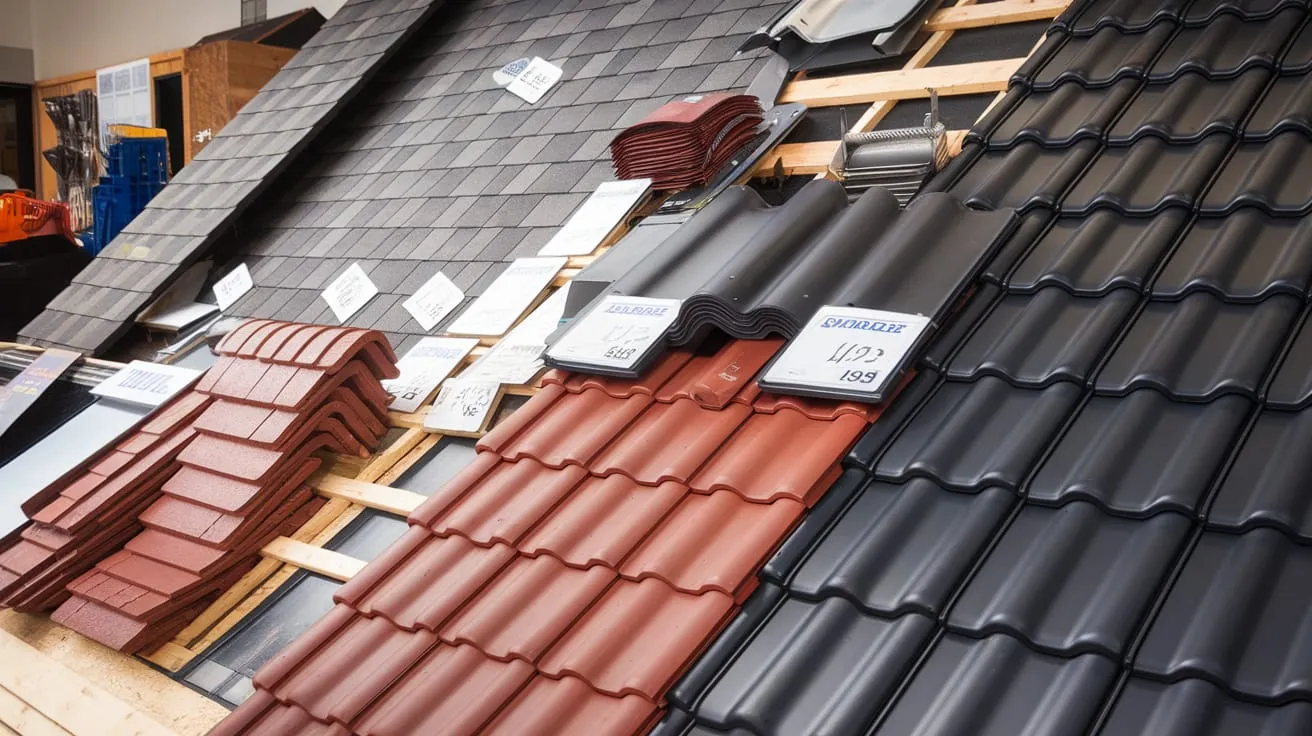
When EPDM Makes Sense
EPDM is the right call when: - Longevity trumps everything else. No other single-ply has a 40-year field record.
That's 10 to 15 years longer than TPO.
- Title 24 doesn't apply or can be satisfied elsewhere in the building envelope. Small residential additions, garages, unconditioned carports, and buildings in shaded locations where cool-roof credit isn't meaningful.
- The roof has complex geometry, lots of penetrations, irregular parapet lines, around skylights and HVAC curbs. EPDM's flexibility makes it easier to detail in tight spots than TPO.
- It's a seismic or high-movement structure. EPDM stretches up to 400% before tearing. Buildings that shift, settle, or thermal-cycle hard love EPDM.
- You want a ballasted roof. EPDM is the only membrane that works well under river rock ballast. TPO can't handle it the same way.
- Under a rooftop deck, green roof, or solar array. EPDM's durability under a protected condition makes it our default pick for anything buried or covered. When EPDM doesn't make sense: any time Title 24 cool-roof compliance is mandatory and you don't want to pay for a reflective coating on top. For those jobs, TPO is the honest answer.
Brands and Product Lines We Install
- Firestone/Holcim RubberGard EPDM, the single biggest EPDM brand in the country.
Available in 45, 60, and 90-mil, cured and uncured flashing, and reinforced versions for ballasted systems. This is what we install most often.
- Carlisle SynTec Sure-Seal EPDM, Carlisle's flagship. 45, 60, and 90-mil. Same chemistry, slightly different detail accessories.
- Johns Manville EPDM, JM's version, single-source warranty when paired with their polyiso.
- Versico VersiGard, Carlisle sibling, value-tier pricing. All four are backed by 20 to 30-year manufacturer warranties and decades of claims experience. Every one of these products meets ASTM D4637, and every one of them will outlast most of the other components on your building.
EPDM Installation Methods
Fully Adhered, Membrane bonded to the substrate (insulation board or cover board) with EPDM-specific contact adhesive.
Provides the smoothest appearance, best wind uplift resistance, and is required for most commercial warranty programs. Labor-intensive but delivers the best long-term performance. This is what we install on 90% of our EPDM projects.
Code Requirements
EPDM falls under CRC R905.12 and ASTM D4637. Minimum membrane thickness is 45-mil under code; we default to 60-mil for almost everything and 90-mil when foot traffic is a real concern. Fire rating is the catch, black EPDM doesn't pass Class A on its own. To hit Class A under Chapter 7A (required for any work near Wildland Urban Interface zones), we build the assembly to meet the rating with a combination of fire-rated cover board, Class A-rated insulation, and proper edge detailing.
It's doable, but you need to spec it correctly at the design stage, not as an afterthought. Title 24 cool-roof compliance is the other gotcha. Black EPDM doesn't meet the 0.63 initial solar reflectance threshold for conditioned low-slope roofs. If Title 24 applies to your project, you either install a reflective coating on top of the EPDM (adding $2 to $4 per sq ft), or you pick TPO instead. We'll tell you straight which way the math works out.
East Bay Cities Where EPDM Works Best
- Commercial and multi-family in Richmond, Concord, Antioch, and Pittsburg where Title 24 is handled through other envelope credits.
- Older commercial buildings in downtown Oakland and downtown Berkeley being re-roofed in kind.
- Residential flat additions in Lafayette, Orinda, and Moraga, shaded lots where reflectivity doesn't matter.
- Mid-century modern homes in the Berkeley Hills and El Cerrito with big flat expanses where longevity is the priority.
- Anywhere with rooftop decks or vegetated roof assemblies. EPDM is the only membrane we trust under a protected condition.
Ready to Talk EPDM
If you want a roof that will outlast your mortgage, call East Bay Roofers at (925) 722-4916.
We install EPDM from Firestone/Holcim, Carlisle, Johns Manville, and Versico, and we've been pulling C-39 permits across the East Bay since 1988. ,.
What EPDM Roofing Includes
An EPDM roof lives or dies by its seams and edges. We prep the deck, new plywood or osb where needed, underlayment over the whole field, then lay the membrane with mastic-bonded seams and sealant at every termination. Edge termination is flashing and drip edge metal, and every pipe penetration gets a vent boot collar sealed with EPDM-compatible caulk. Fascia metal caps the perimeter so wind can't lift the membrane edge. We also confirm the roof meets building code for ponding water slope. Scrap membrane, old gravel, and debris go straight to the dumpster.
Roof System Details
Beyond the visible work, every epdm roofing project on a roof touches the same system-level details. Valleys are flashed with corrosion-resistant metal so the heaviest water flow stays off the deck. Ice dams are addressed at the source, ice-and-water shield in the eaves and lower field plus balanced ridge vent and soffit vent airflow keeps the deck temperature even, so snowmelt doesn't refreeze at the eave and push water up under the shingles. The joist and rafter structure is checked for deflection before heavy materials go up. Gutter and downspout connections are confirmed at the eaves so the roof edge drains into the system instead of behind it, a roof and its gutters are one water-shedding assembly, and we treat them that way.
Quality & Materials Standards
Every material we install is specified to a standard, not just a price. Architectural shingles and three-tab shingle options are dimensional fiberglass-backed products with granulated mineral surfacing; standing-seam panel and corrugated panel metal roofs come in steel or aluminum with elastomeric coating options (including acrylic coating and silicone coating where the spec calls for them). TPO, EPDM, and built-up roof membranes are checked for tensile strength and coverage rate before they go up. Adhesive and roof cement are used where the membrane spec requires them, and fasteners are driven to the manufacturer's exact coverage rate, never guessed.
We also inspect for the failure modes that shorten roof life, and we're honest about what we find: blistering and blisters, buckling or warping, delamination and spalling, corrosion and erosion of metal, granulated loss, UV degradation, and deterioration that shows as flaking, cracking, or seepage at seams and eaves. Water that wicks up under a substrate rots sheathing and trusses; we fix the substrate, not the symptom. Drains, downspouts, and gutters are checked as part of the water path, a roof that drains is a roof that lasts.
Storm response is built into our process: hail damage and wind damage assessments document every dent, dislodged shingle, and lifted flashing for the adjuster. We handle claim documentation, including the deductible line items, depreciation schedules, and supplement paperwork insurance companies require, so the scope of work is approved before the crew arrives, and a tarp protects the interior until the permanent repair is scheduled. Crews work to a written scope of work with scaffold and safety harness protocols on every steep roof.
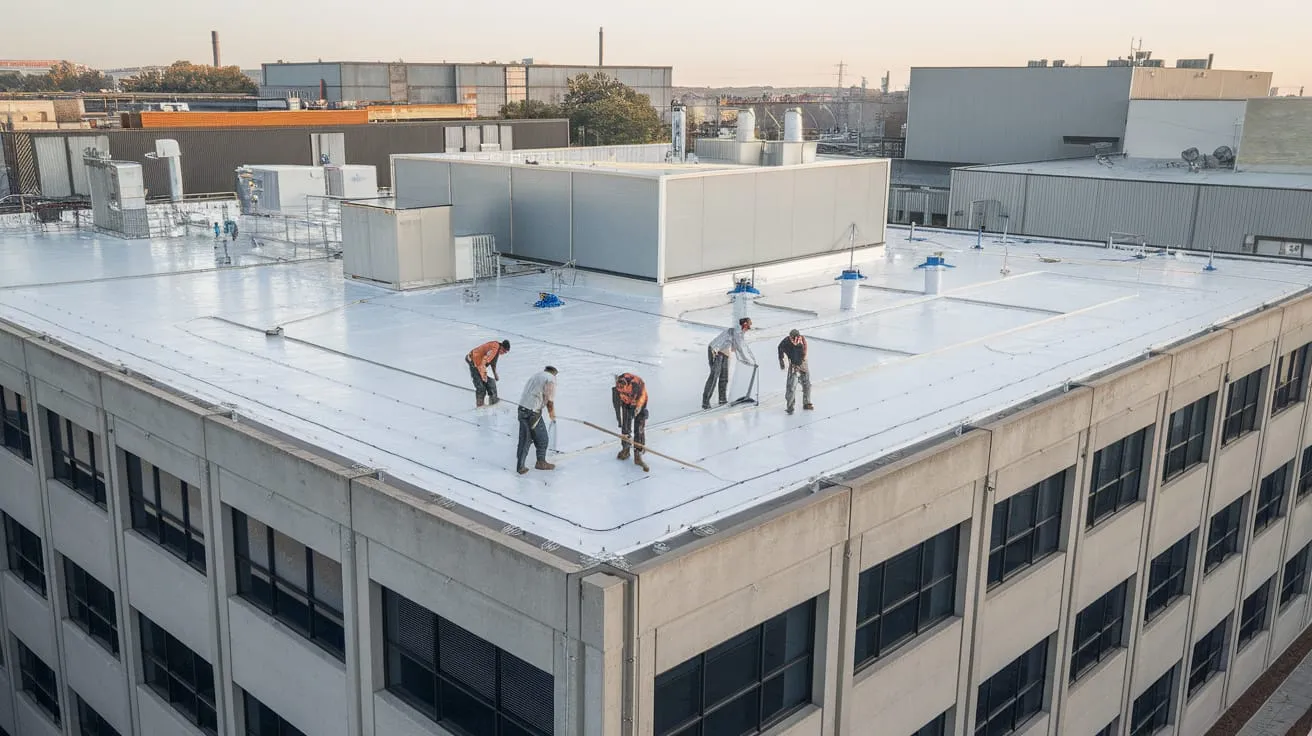
Need epdm roofing, flat & low-slope commercial systems | east bay roofers in the East Bay? Get a free estimate from a licensed contractor.
EPDM Roofing Costs
45-mil EPDM
Standard thickness for residential flat sections. Ballasted or adhered. 20-year warranty. Good for protected low-traffic areas.
Get Free Estimate60-mil EPDM
Commercial standard. Fully adhered. 25-year warranty. Our recommended specification for most applications.
Get Free Estimate90-mil EPDM
Premium thickness for high-traffic, high-abuse environments. 30-year warranty. Maximum puncture and impact resistance.
Get Free EstimateFrequently Asked Questions
What is EPDM exactly?
Ethylene Propylene Diene Monomer, a synthetic rubber compound used in roofing since the 1960s. It's the same family of rubber used in automotive seals, pond liners, and industrial hoses. On a roof, EPDM is a single-ply membrane that's extremely flexible, UV-stable, and weather-resistant. It has the longest track record of any single-ply roofing material.
Why is EPDM black instead of white?
Traditional EPDM is black because the carbon black filler provides UV resistance and extends membrane life. White EPDM is available but costs more and has a shorter track record. If energy efficiency is the primary goal, TPO is a better white membrane option. EPDM's strength is durability and flexibility, not reflectivity.
How are EPDM seams joined?
With 6-inch-wide splice tape (butyl-based adhesive) and liquid splice adhesive. Properly executed EPDM seams last the life of the membrane. Unlike TPO's heat-welded seams, EPDM seaming is less equipment-dependent and more forgiving of field conditions. The
Can EPDM be used on a rooftop deck?
EPDM is one of the best membranes for under rooftop decks, patios, and green roof assemblies. Its flexibility accommodates the movement from deck framing, and 60-90 mil thickness handles the compression from support structures. We've installed EPDM under dozens of East Bay rooftop decks and garden areas.
Get Your Free Roof Inspection
Call today for a no-obligation estimate from a licensed East Bay roofing contractor.
Call (925) 722-4916Credentials You Can Verify
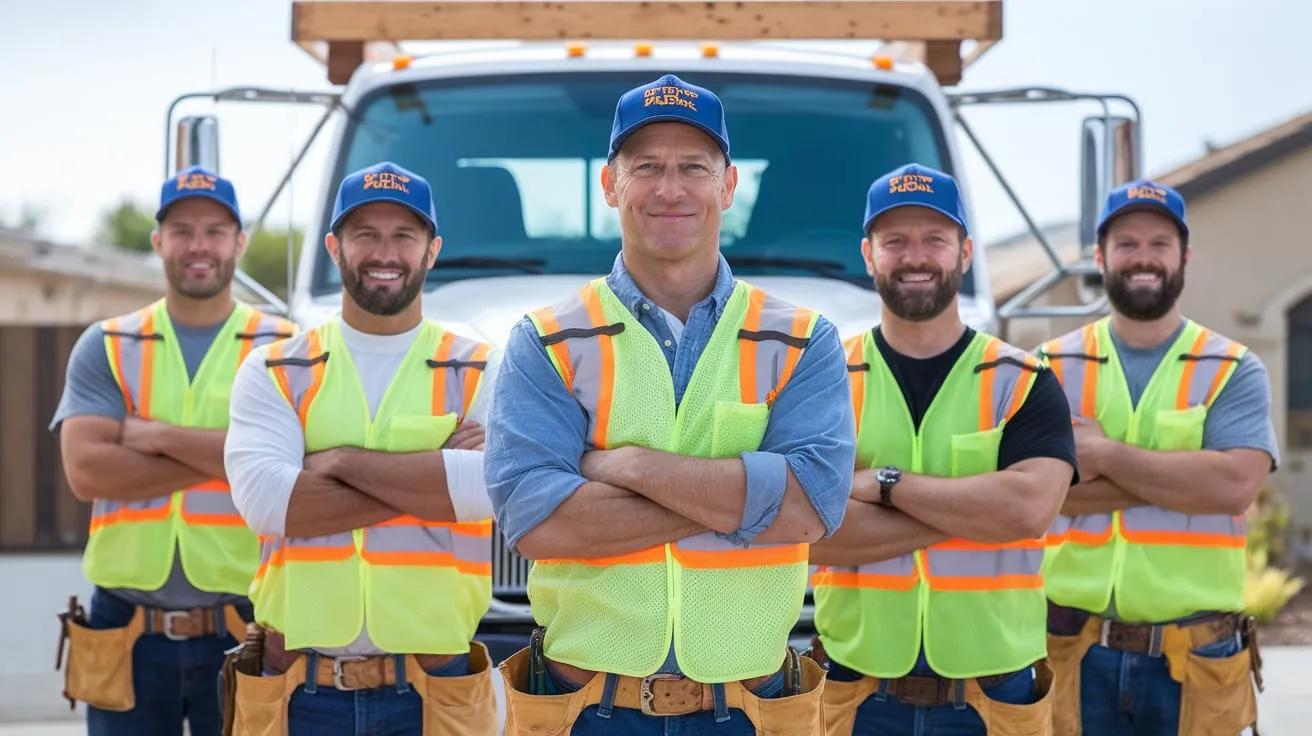
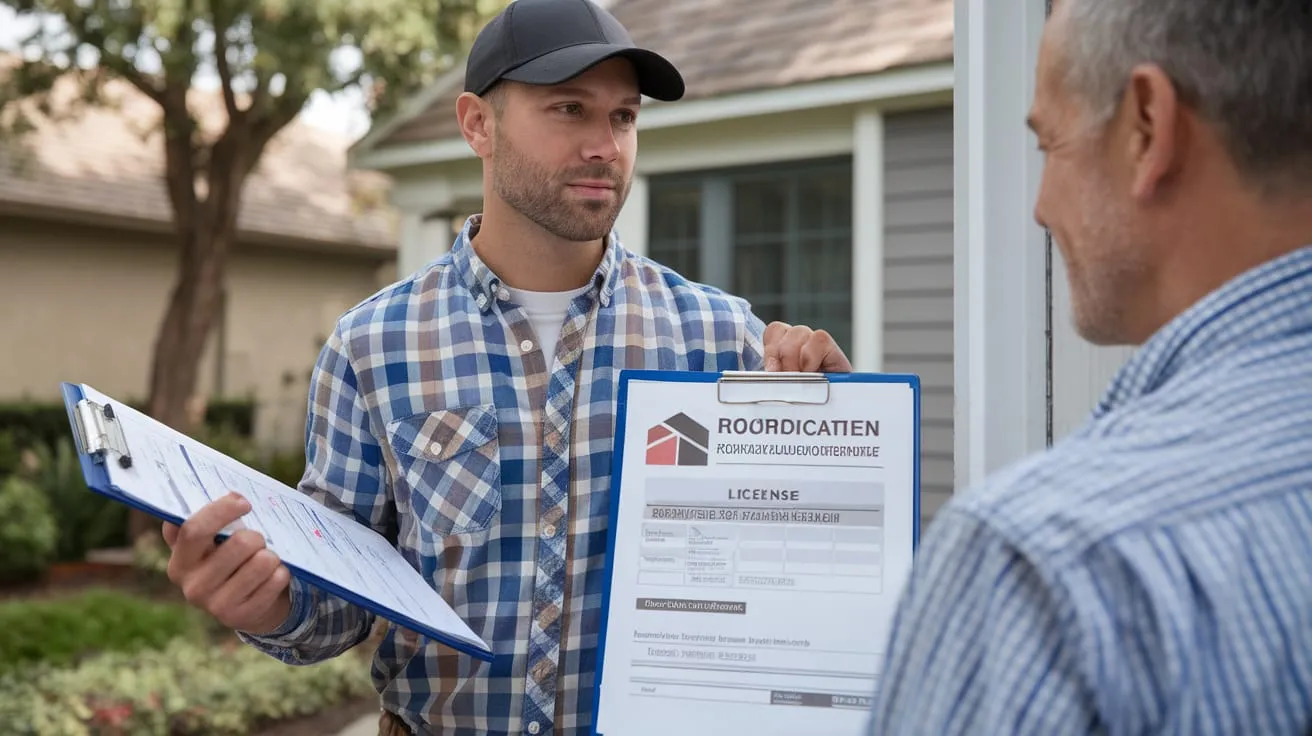
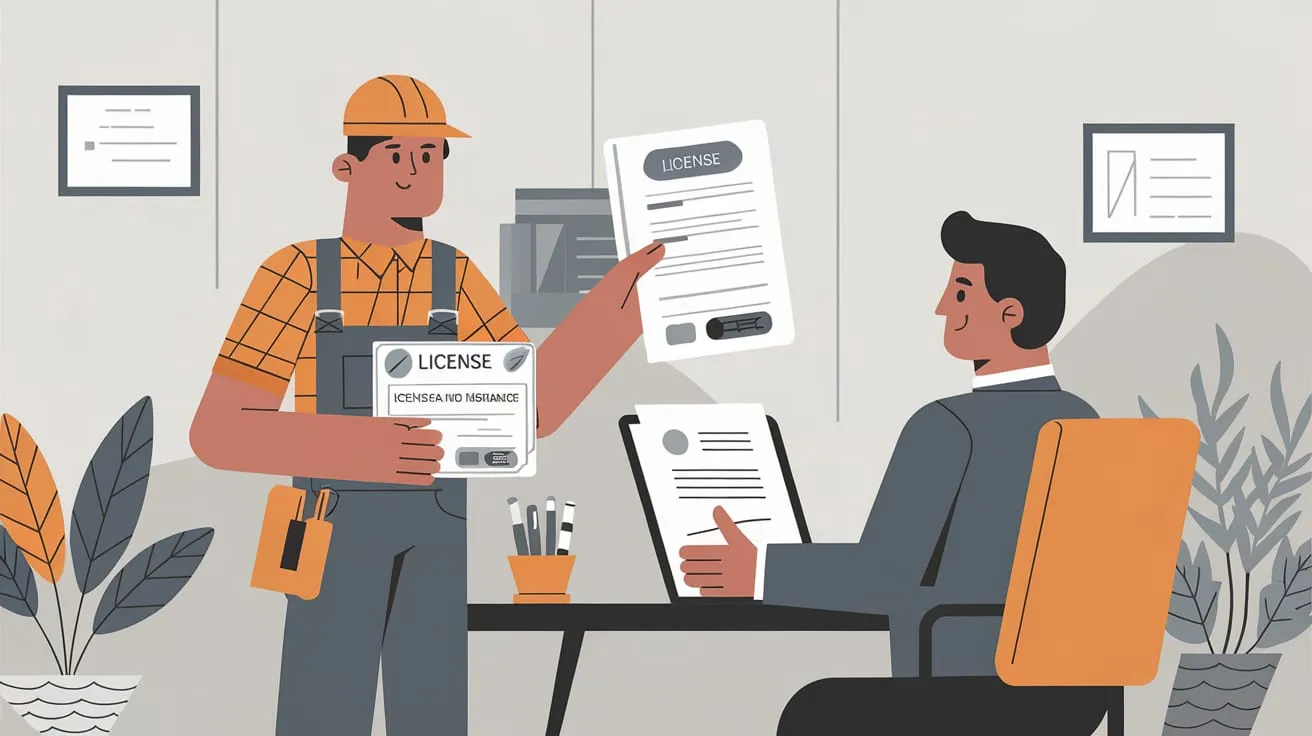
Licensed & Insured
Fully licensed, bonded, and insured with workers' compensation on every job.
Certified & Factory-Trained
Factory-certified installers on every major product line, qualifying you for the strongest manufacturer warranties.
Warranty-Backed Work
10-year workmanship warranty plus up to 50-year manufacturer warranties on materials.
24/7 Emergency Service
Same-day emergency roof repair across the East Bay, with 24/7 live dispatch.
Locally Owned & Operated
Family-run since 1988, based in Concord. We don't subcontract, and we don't go anywhere.
Top Manufacturer Partners
Certified installers for GAF, Owens Corning, and CertainTeed roofing systems.
Get a free estimate from a licensed East Bay roofing contractor. Call (925) 722-4916
EPDM's Real Weaknesses
EPDM's seams are its Achilles' heel. Unlike heat-welded TPO, EPDM's adhesive-bonded seams can separate if the surface wasn't properly cleaned during installation. Seam failure is the #1 cause of EPDM leaks. Also, the black surface absorbs significant solar heat, EPDM roofs can reach 170°F on summer days, increasing cooling loads. If energy efficiency is your main concern, TPO or a coated modified bitumen is the better pick.
Related Services
We Serve 38 East Bay Cities
From Concord to Fremont, Oakland to San Ramon, East Bay Roofers covers the entire East Bay with same-day emergency dispatch.