Torch-Down Roofing, Modified Bitumen Low-Slope | East Bay Roofers
Modified Bitumen. Proven Flat Roof Protection
Torch-down modified bitumen roofing for East Bay flat & low-slope roofs. Multi-layer waterproofing, 20-25 year lifespan, superior puncture resistance. $5,000–$12,000. Hot-work permit & fire watch included.
Call (925) 722-4916 NowTorch-Down Is an Old-School Trade, and Not Everyone Should Be Doing It East Bay Roofers is the East Bay's licensed roofing contractor that homeowners and property managers across 38 cities call for torch-down modified bitumen flat roofing
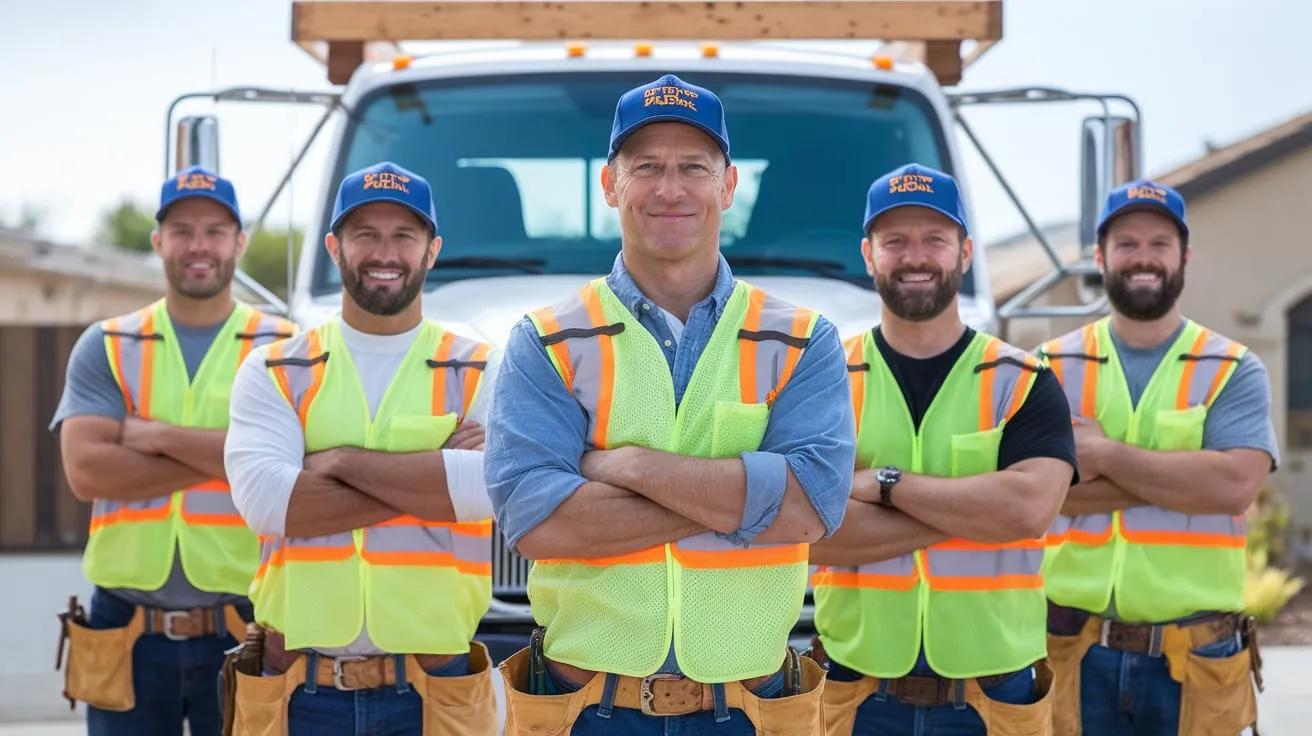
Since 1988, we've torch-applied modified bitumen across the East Bay. Whether it's a garage roof in <a href="/location/pleasant-hill/">Pleasant Hill or a commercial building in Concord, we pull the hot-work permits and run the fire watch every time. There's a reason I put this warning at the top of the page: torch work is dangerous. You're running a propane torch at around 2,500 degrees Fahrenheit across a roof deck, melting asphalt-based membrane onto whatever's underneath. Every year somewhere in California, somebody starts a house fire torching a roof because they got sloppy with the fire watch, left a smoldering rag under the eaves, or didn't catch an ember that dropped into a cavity. We don't take on torch-down jobs lightly, and we don't let every crew run a torch. It's a specialty. That said, when it's done right, torch-applied modified bitumen is one of the best flat-roof systems you can put on an East Bay home. Thick, puncture-resistant, easy to repair, and familiar enough that any competent roofer in 20 years will know how to fix it. For residential garage roofs, small commercial, room additions, and covered patios, it's our go-to for a lot of situations.
Puncture Resistant
Multi-layer membrane with reinforced polyester or fiberglass. Handles foot traffic, dropped tools, and hail better than single-ply alternatives.
Fused Seams
Torch-welded overlaps create monolithic waterproof bonds. No adhesives to fail, no tape to delaminate. Seams are as strong as the membrane.
Easy to Repair
Localized damage patched on the spot with matching membrane and a torch. No full-sheet replacements needed for isolated punctures or cuts.
Fast Installation
A typical residential flat section (300-800 sq ft) completed in one day. Multi-layer commercial systems in 2-3 days per 3,000 sq ft.
What Is Torch-Down Roofing
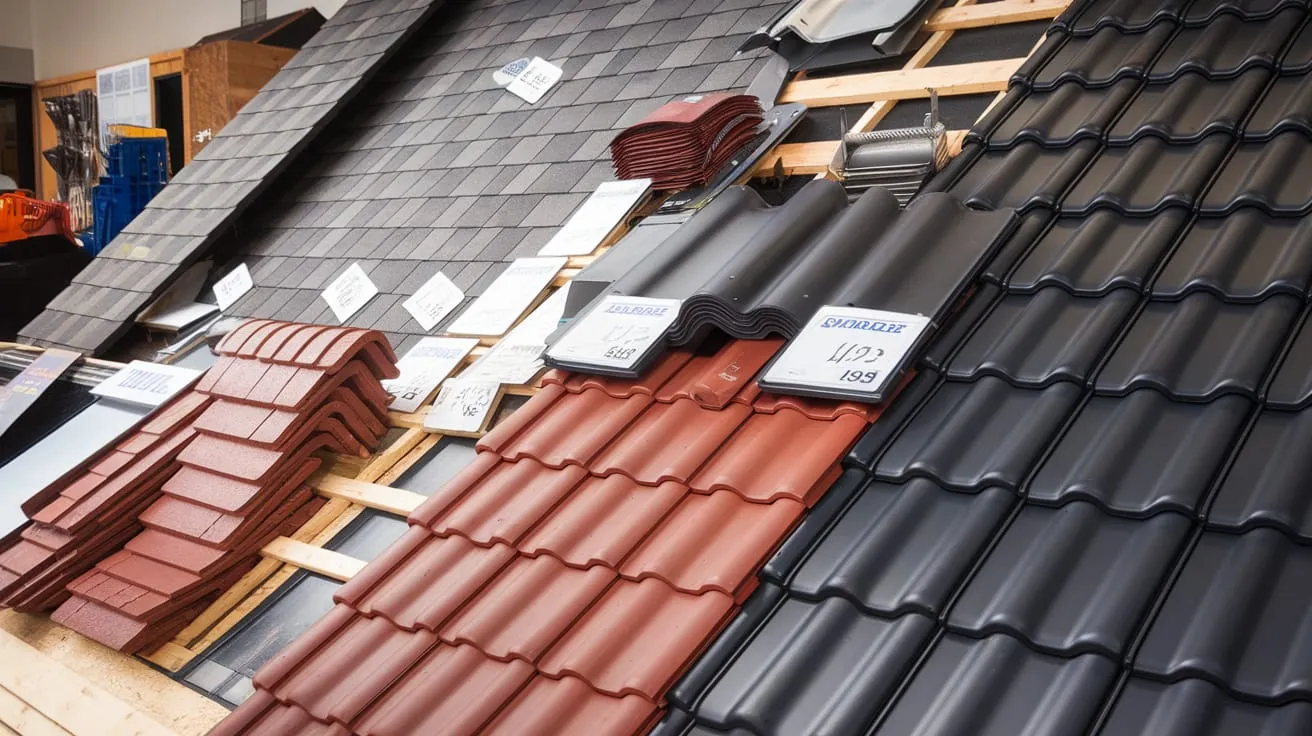
Torch-down is the common name for modified bitumen roofing applied with an open flame. The membrane itself is asphalt that's been blended with polymer modifiers, either SBS (styrene-butadiene-styrene), which gives the asphalt rubber-like elasticity, or APP (atactic polypropylene), which gives it plastic-like heat resistance. It ships in rolls about 39 inches wide, reinforced with a polyester or fiberglass mat for tensile strength, and the underside has a thermoplastic film that melts when you hit it with a propane torch. That melted bitumen is the adhesive. Roll the membrane forward, torch the seam, and you've got a continuous waterproof skin that's bonded to the layer underneath.
The modified bitumen standards are ASTM D6162 (SBS polyester reinforced), D6163 (SBS fiberglass reinforced), and D6164 (SBS/APP hybrid). Every product we install meets one of those, plus CRC R905.14 for code compliance.
When Torch-Down Makes Sense
- Residential flat additions and garage roofs under about 1,500 sq ft where the job is too small to mobilize a TPO welder efficiently.
- Covered patios and sunrooms attached to pitched-roof houses, easy tie-ins, good puncture resistance, and the granulated cap sheet looks better than white membrane on a visible surface.
- Older commercial buildings where the original system was built-up or modified bitumen, and we're re-roofing in kind.
- Roofs where the owner wants a system they can patch themselves in 10 years with a bucket of roof cement and a torch. Modified bitumen is the most repair-friendly flat-roof system there is.
- Layered redundancy. A two-ply or three-ply modified bitumen system has built-in backup, if the cap sheet gets punctured, the base ply is still watertight. That redundancy is why it's lasted on commercial buildings for 50-plus years. When torch-down doesn't make sense: anywhere you've got combustible materials close to the roof edge (wood siding within a few feet of the flame zone, overhanging branches, dry landscape below), large commercial areas over 3,000 sq ft (TPO or EPDM is faster and cheaper per square), and Title 24 cool-roof projects where the dark granulated surface won't hit the reflectivity threshold without a coating.
Brands and Product Lines We Install
- GAF Ruberoid, Ruberoid Mop Plus, Ruberoid Torch Granule, Ruberoid SBS Heat-Weld.
The biggest name in modified bitumen and our most-specified product line. We install to manufacturer spec so the system qualifies for the strongest warranty coverage available.
- Firestone/Holcim AP Torchdown, APP-modified cap sheet with excellent heat and UV resistance. Good fit for sun-exposed East Bay inland roofs in Livermore, Antioch, and Brentwood.
- Soprema SOPRALENE, French-made SBS cap sheet, premium quality, thicker and heavier than the US standard products. What we reach for when the spec calls for the best of the best.
- Johns Manville DynaGlas and DynaWeld, fiberglass-reinforced SBS, broad product line covering base sheets through cap sheets.
- Henry Blueskin cap sheets and base sheets, Henry's self-adhered product line is what we use when torch application isn't safe for the conditions.
Installation, The Actual Sequence Here's how a two-ply SBS torch-down job comes together on a typical East Bay residential flat addition: 1. Tear off the existing membrane to the deck.
Replace any rot, soft spots, or swollen plywood. 2. Install cover board or recovery board, usually DensDeck Prime or a high-density wood fiber board. This gives the base sheet something solid to bond to and provides a thermal barrier between the torch and the wood deck below. 3. Mechanically fasten the base sheet or torch-apply it, depending on the deck type and the spec. Base sheet gives the cap sheet a bondable substrate and adds the first waterproof layer. 4. Fabricate flashings at pipe penetrations, parapet walls, scuppers, and HVAC curbs. This is detail work that separates a 10-year roof from a 25-year roof. 5. Torch the cap sheet. Unroll the cap, torch the underside as you go, and press the membrane down into the melted bitumen. Seam laps get 6 inches minimum overlap with a visible bead of molten bitumen at the lap edge, if you can't see the bleed-out, the seam isn't welded. 6. Fire watch. Every torch-down job gets an hour of fire watch after the last torch is shut down. Crew walks the perimeter, checks every penetration, probes the edges. California requires this by law for hot work, and we do it whether we're legally required or not. 7. Final walkthrough and permit signoff. We carry fire extinguishers on every torch-down crew, pre-brief the homeowner about the fire-watch requirement, and check the CAL FIRE red flag warning status every morning before starting. On a red flag day, we reschedule. No exceptions.
Code Requirements
Modified bitumen is covered under CRC R905.14 and ASTM D6162/D6163/D6164 depending on reinforcement type.
A properly assembled two-ply or three-ply modified bitumen roof over fire-rated insulation and cover board meets Class A fire rating under UL 790, which is required under Chapter 7A for any home in a Wildland Urban Interface zone. The assembly has to be installed as tested, swap out the cover board for something cheaper and you've voided the Class A rating. Hot work permits are mandatory in most jurisdictions. Contra Costa County, Alameda County, and every city within them require a hot-work permit for torch application on roofs, and that permit carries fire-watch requirements, extinguisher requirements, and on-site fire safety documentation. We pull these permits as part of the job. If another contractor is quoting torch-down and not mentioning the hot work permit, that's a red flag.
East Bay Cities Where Torch-Down Works Best
- Walnut Creek, Lafayette, and Orinda residential flat additions and garage roofs.
- Concord, Pleasant Hill, and Martinez older commercial buildings in kind with existing modified bitumen.
- West Oakland, Berkeley, and Albany Victorian and craftsman homes with flat additions on the back.
- Smaller downtown commercial blocks in Antioch, Pittsburg, Richmond, and San Leandro where the building stock is aging and the owners want a familiar system.
- Anywhere the original roof was torch-down or BUR and the owner wants continuity with what's been working.
Call Us About Your Torch-Down Project
If you've got a flat roof garage, addition, or covered patio that needs a modified bitumen system, or a leaking torch-down roof that needs someone who actually knows how to repair it, call East Bay Roofers at (925) 722-4916.
We're C-39, and we've been torching flat roofs across the East Bay since 1988. We pull the permits, we run the fire watch, and we don't cut corners on the safety side.
What Torch-Down Roofing Includes
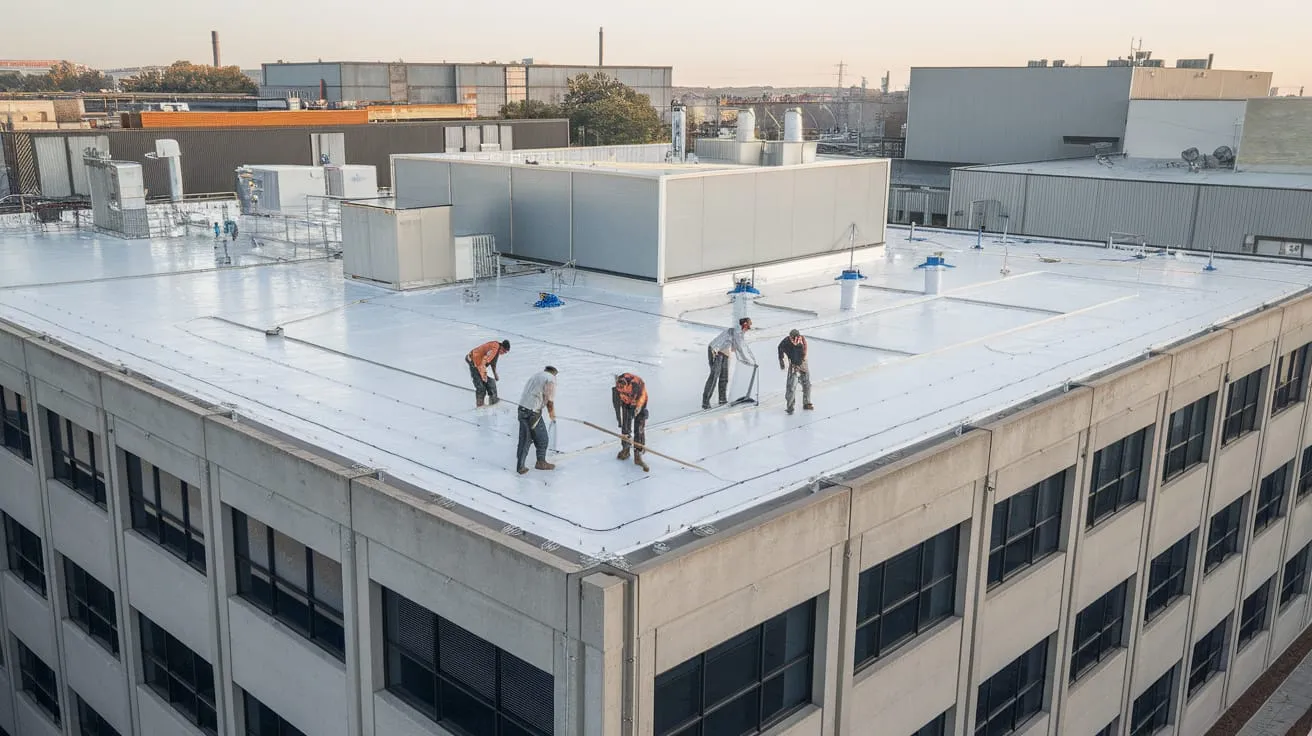
Torch-down (modified bitumen) is a two-ply system where each layer is bonded with heat. Deck prep matters most: sheathing must be dry, damp osb or plywood traps moisture under the membrane, then underlayment goes down over the field. The torch applies the cap sheet with mastic at the seams and flashing at walls and parapets, drip edge finishes the eaves, vent boot collars flash penetrations, and fascia metal caps the perimeter. We verify building code requirements for ply and flashing. The crew keeps the torch well away from vents and follows fire safety rules; old roofing and debris go to the dumpster.
Roof System Details
Beyond the visible work, every torch down roofing project on a roof touches the same system-level details. Valleys are flashed with corrosion-resistant metal so the heaviest water flow stays off the deck. Ice dams are addressed at the source, ice-and-water shield in the eaves and lower field plus balanced ridge vent and soffit vent airflow keeps the deck temperature even, so snowmelt doesn't refreeze at the eave and push water up under the shingles. The joist and rafter structure is checked for deflection before heavy materials go up. Gutter and downspout connections are confirmed at the eaves so the roof edge drains into the system instead of behind it, a roof and its gutters are one water-shedding assembly, and we treat them that way.
Quality & Materials Standards
Every material we install is specified to a standard, not just a price. Architectural shingles and three-tab shingle options are dimensional fiberglass-backed products with granulated mineral surfacing; standing-seam panel and corrugated panel metal roofs come in steel or aluminum with elastomeric coating options (including acrylic coating and silicone coating where the spec calls for them). TPO, EPDM, and built-up roof membranes are checked for tensile strength and coverage rate before they go up. Adhesive and roof cement are used where the membrane spec requires them, and fasteners are driven to the manufacturer's exact coverage rate, never guessed.
We also inspect for the failure modes that shorten roof life, and we're honest about what we find: blistering and blisters, buckling or warping, delamination and spalling, corrosion and erosion of metal, granulated loss, UV degradation, and deterioration that shows as flaking, cracking, or seepage at seams and eaves. Water that wicks up under a substrate rots sheathing and trusses; we fix the substrate, not the symptom. Drains, downspouts, and gutters are checked as part of the water path, a roof that drains is a roof that lasts.
Storm response is built into our process: hail damage and wind damage assessments document every dent, dislodged shingle, and lifted flashing for the adjuster. We handle claim documentation, including the deductible line items, depreciation schedules, and supplement paperwork insurance companies require, so the scope of work is approved before the crew arrives, and a tarp protects the interior until the permanent repair is scheduled. Crews work to a written scope of work with scaffold and safety harness protocols on every steep roof.
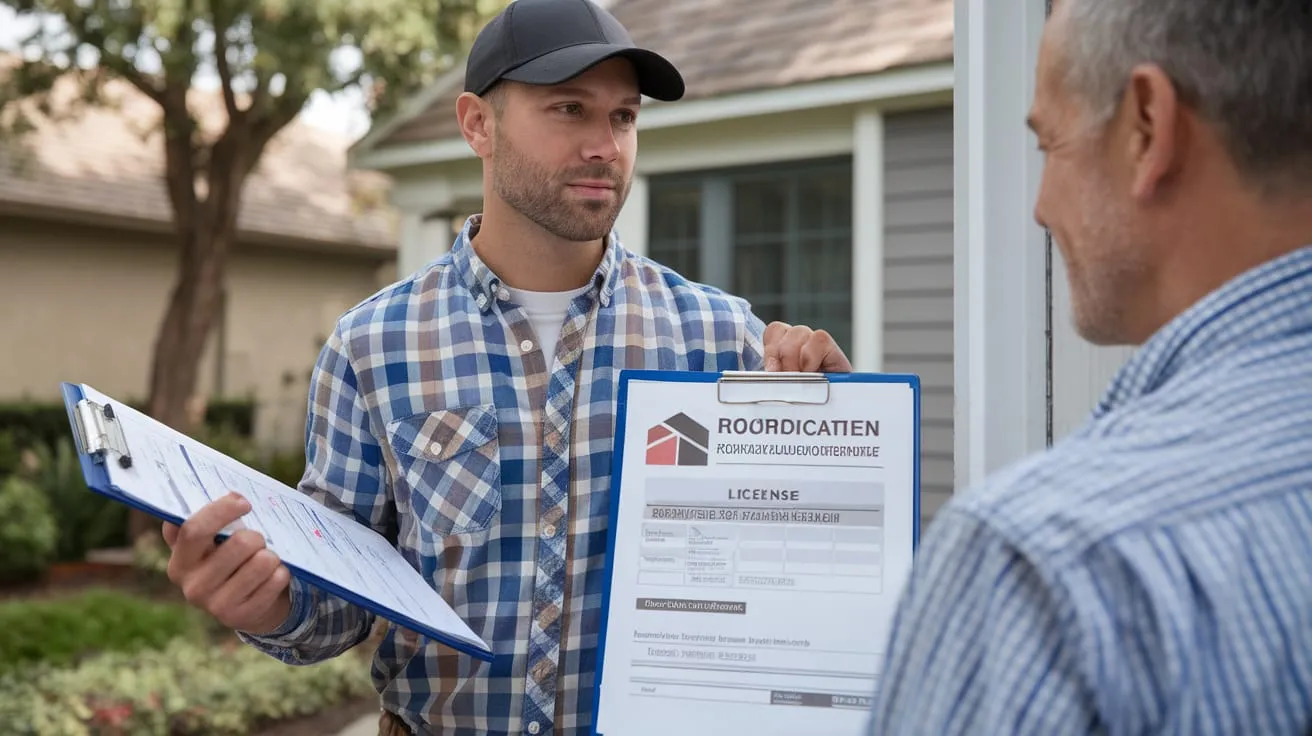
Need torch-down roofing, modified bitumen low-slope | east bay roofers in the East Bay? Get a free estimate from a licensed contractor.
Torch Down Costs
Single-Layer Cap
One cap sheet over existing base. Best for re-covering a sound existing roof. 15-year warranty.
Get Free EstimateTwo-Layer System
Base sheet + cap sheet over new insulation. Standard for complete flat roof replacement. 20-year warranty.
Get Free EstimateThree-Layer Premium
Base + interply + cap sheet with granulated surface. Maximum protection and 25-year warranty. Best for larger areas.
Get Free EstimateFrequently Asked Questions
Is torch-down roofing safe?
In the hands of trained installers, yes. The open flame from the torch melts the bitumen backing, creating a fused bond stronger than adhesive methods. Our crews are certified in torch application, carry fire extinguishers, and use fire-watch protocols during and after installation. We also offer cold-applied modified bitumen (peel-and-stick) for situations where open flame isn't appropriate.
How does torch-down compare to TPO?
Torch-down (modified bitumen) is thicker, more puncture-resistant, and easier to repair. TPO is lighter, more reflective, and better for very large areas. For residential flat sections under 1,000 sq ft, garage roofs, room additions, covered patios, torch-down is often the better choice due to its simplicity and proven track record.
Can I walk on a torch-down roof?
Yes. Modified bitumen membranes with granulated surfaces handle foot traffic well. For regular access areas (HVAC service, rooftop equipment), we recommend walk pads for additional protection. The granulated surface also provides traction in wet conditions.
What causes torch-down roofs to fail?
Seam separation from improper torch technique (not enough heat), ponding water from inadequate slope, and UV degradation on non-granulated surfaces. A well-installed torch-down system with proper drainage fails from age, not defects, it simply dries out and becomes brittle after 20-25 years.
Get Your Free Roof Inspection
Call today for a no-obligation estimate from a licensed East Bay roofing contractor.
Call (925) 722-4916Credentials You Can Verify
Licensed & Insured
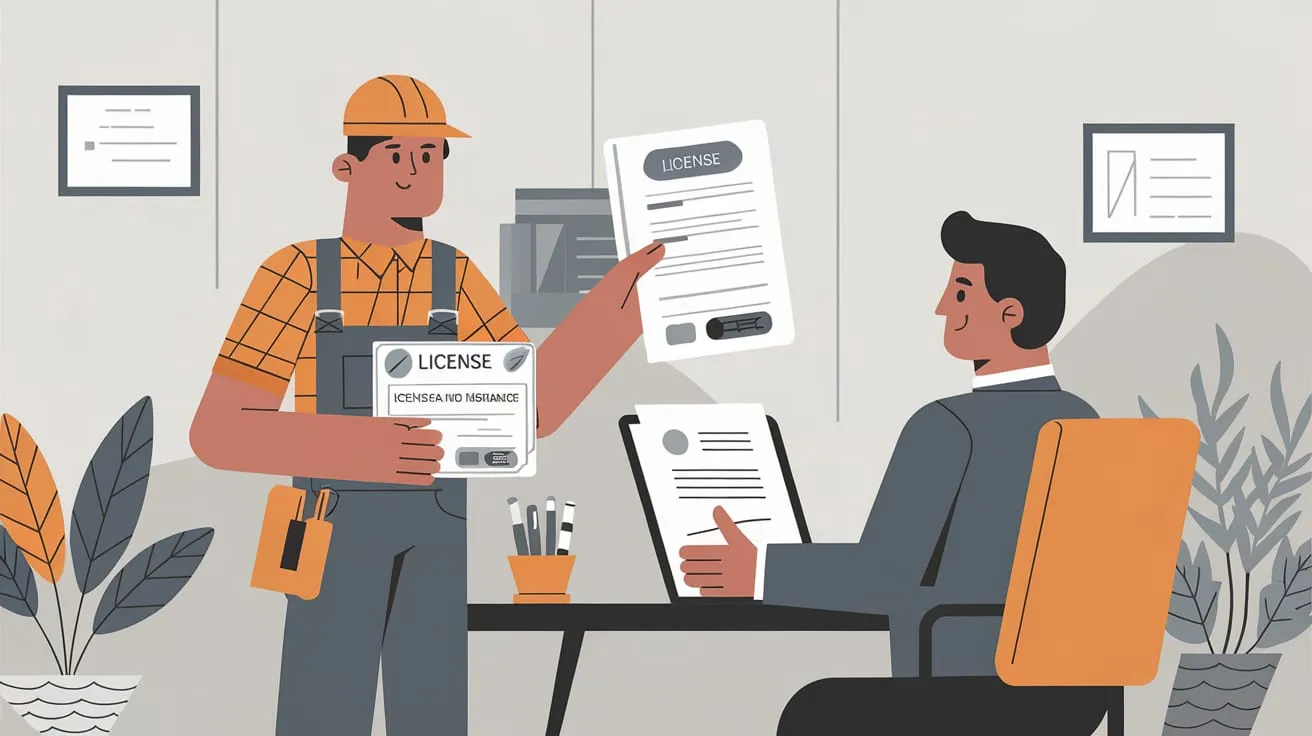
Fully licensed, bonded, and insured with workers' compensation on every job.
Certified & Factory-Trained
Factory-certified installers on every major product line, qualifying you for the strongest manufacturer warranties.
Warranty-Backed Work
10-year workmanship warranty plus up to 50-year manufacturer warranties on materials.
24/7 Emergency Service
Same-day emergency roof repair across the East Bay, with 24/7 live dispatch.
Locally Owned & Operated
Family-run since 1988, based in Concord. We don't subcontract, and we don't go anywhere.
Top Manufacturer Partners
Certified installers for GAF, Owens Corning, and CertainTeed roofing systems.
Get a free estimate from a licensed East Bay roofing contractor. Call (925) 722-4916
When Torch-Down Isn't the Right Call
If your flat roof is over 3,000 sq ft, TPO or EPDM is usually more cost-effective per square foot and faster to install. If energy efficiency is a priority, the dark granulated surface of torch-down absorbs more heat than a white TPO membrane. And if your building has combustible materials near the roof edge (wood siding, overhanging trees), the open-flame torch application creates a fire risk that cold-applied alternatives avoid.
Related Services
Flat Roofing
Overview of all flat roofing systems, TPO, EPDM, and modified bitumen compared.
Learn MoreWe Serve 38 East Bay Cities
From Concord to Fremont, Oakland to San Ramon, East Bay Roofers covers the entire East Bay with same-day emergency dispatch.